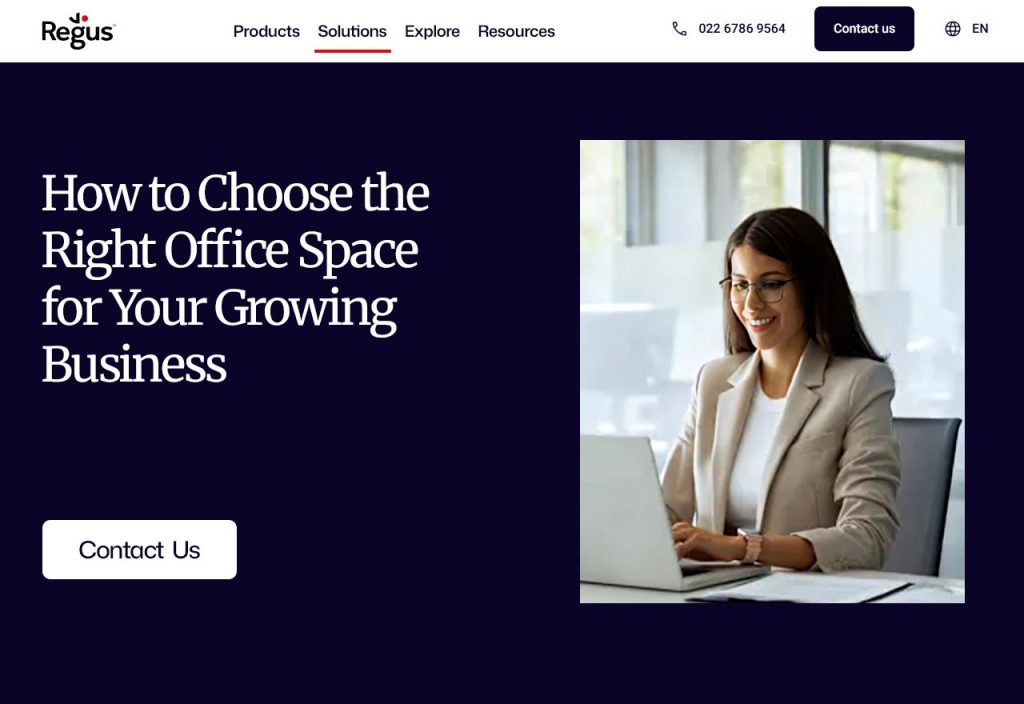
Most people think choosing an office is simple. Find a nice building, agree on the rent, sign the papers. But your office shapes how your team works, how clients see you, and how easily your company can grow. Get it wrong,g and you could be stuck with high costs, a long commute, or a space that feels too small after a few months.
The good news is you've got more choices now. You can rent a private office, share a space with other professionals, or move into a serviced office that's ready from day one. What works best depends on your budget, your team size, and how you plan to work. If you are looking for a professional spot, explore Regus workspace solutions to provide the best workspace for you.
What Is a Flexible Workspace?
A flexible workspace is a place to work that doesn’t lock you into a long contract. You can usually choose the type of space, how long you stay, and what facilities come with it. If you need a professional spot for meetings, Regus workspace solutions are worth a look.
The best part is that it changes as your business does. You might start small and move to a bigger office when your team grows. Or if everyone works from home most of the week, a small space or an occasional meeting room may be all you need. Many of these offices also come with furniture, internet, a reception desk, and meeting rooms. What you get depends on the provider, so read the details first.
Which Type of Office Space Should You Choose?
No single setup works for everyone. Once you know what each option offers, it's much easier to pick the one that fits how you work.
Private Offices
A private office is a space that belongs only to your business. It works well if your team handles private information, makes a lot of calls, or just needs a quiet place to focus.
Your team can also work together without the noise of a shared room. Before you rent one, check the size, the security, whether you can use meeting rooms, and whether the price fits your budget. You can browse Regus office and meeting space options to compare professional workspaces.
Coworking Spaces
In a coworking space, people from different companies work in the same room. Freelancers, startups, founders, and remote workers like them because they get a proper work setting without paying for a whole office.
You may get shared desks, Wi-Fi, common areas, and a chance to meet new people. Just think about the noise, the lack of privacy, and whether a desk will be free when you need one.
Serviced Offices
Setting up an office takes time and money. You need furniture, internet, cleaning, repairs, and a lot of small things in between.
A serviced office handles much of this for you. What's included depends on the provider and your agreement. It's a great choice if you want to start work without sorting out every little detail.
Meeting Rooms and Virtual Offices
Not every company needs a full-time office. If most of your work happens online, a meeting room now and then may be enough for client presentations, interviews or team talks.
A virtual office gives you a professional business address and a few admin services, without the cost of a physical space. Before you sign up, check what's included and whether you can use the address the way you want.
Why Are Businesses Choosing Flexible Office Spaces?
Flexible offices take a lot of the hassle out of running a workspace. They're worth a look if your company is growing or you're not sure how much room you need yet.
- Less setup work: No need to buy furniture or sort out the basics yourself.
- Fewer daily chores: The provider may take care of cleaning, maintenance, and reception.
- Room to adjust: You can often add desks, change size, or move when your needs change.
- A good spot for clients: A neat office or meeting room helps you make a good first impression.
- A chance to meet people: Shared spaces can lead to useful chats and sometimes new business.
If you'd like to compare providers, Regus is one to check for meeting rooms and other workspace services.
Final Thoughts
Choosing an office gets easier when you know what your business needs now and what it may need later. A private office suits teams that value privacy. Coworking and serviced offices are a good fit if you want convenience. And if your team works remotely, a meeting room or virtual office might be plenty. Before you decide, compare the location, total cost, facilities, and rental terms. A good office should make your workday more comfortable, fit your budget, and leave your business room to grow.
FAQs
- How do I choose the right office space for my business?
Start with your budget, team size, location, must-have facilities,s and growth plans. Compare different types of workspace, then visit your favourites before you sign anything.
- What are the different types of office space?
The main ones are private offices, coworking spaces, serviced offices, meeting rooms and virtual offices. Each works for a different kind of business and a different way of working.
- Is flexible office space a good option for a small business?
It can be. Startups and small businesses often like getting professional facilities without setting up a traditional office. Compare the rental terms and the overall cost to see if it works for you.
- What expenses should I consider before renting an office?
Check the rent, security deposit, utilities, internet, maintenance, service charges, furniture, meeting room access, and any other fees listed in the agreement.
- Can I move to a bigger office as my business grows?
Some providers let you add desks or move to a larger office. What you can do, how much it costs, and what conditions apply depend on the provider, the location, and your contract.